Gjiknuri Warns, The Amendment Of The Constitutional Changes In The Electoral Code, With Or Without The Opposition
Nga OraNews Përditësimi i fundit 22 Shtator 2020, 15:36
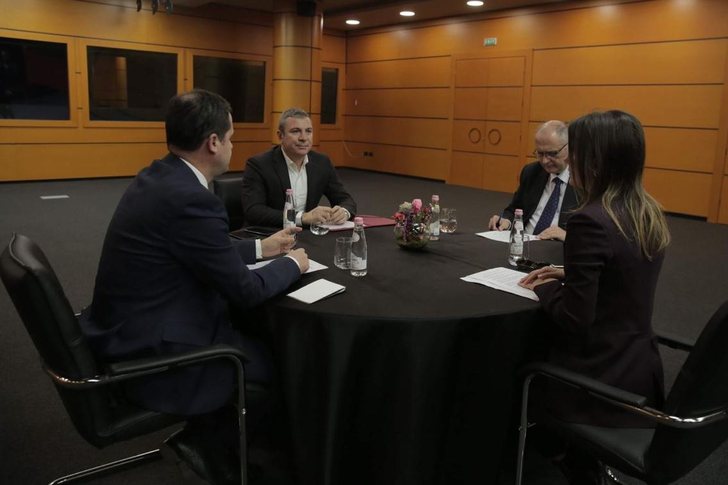
The Political Council also failed in this Tuesdaymeeting to find consensus on two hottest issues on the table for discussion,pre-election coalitions and open lists. At the end of the meeting, the partiesblamed each other for seeking to undermine the process.
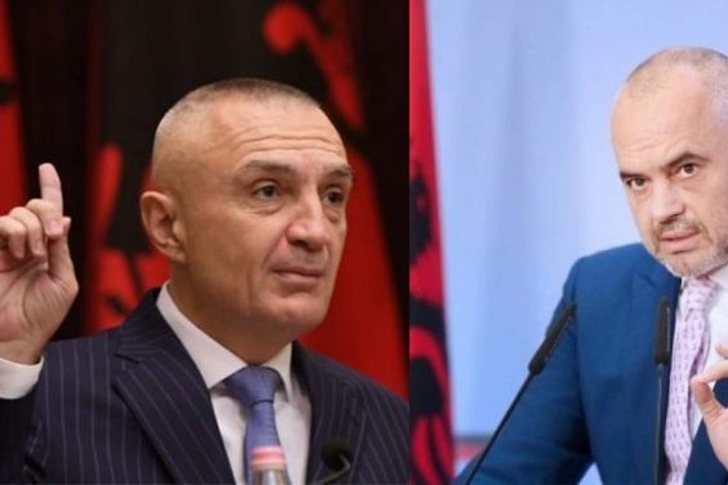
The Socialist Party remains determined to proceed withthe amendment of the constitutional amendments to the electoral code, even ifthe extra-parliamentary opposition refuses to submit its proposals.
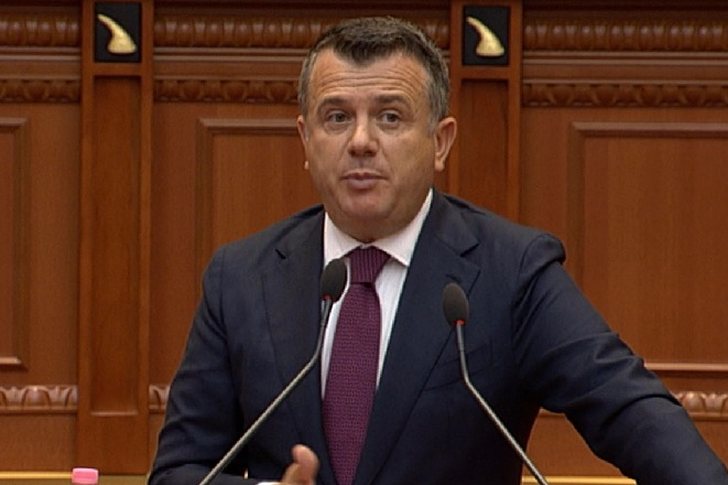
The warning came from the SP representative in thePolitical Council, Damian Gjiknuri, at the end of the meeting.
Gjiknuri: We will not leave a constitutional and legal vacuum. We will do our best to find solutions with the opposition but if they do not want to be part of and do not want to comment on their positions, even with the points in that draft we will definitely continue. The Political Council was created because of the good will to communicate with a party that has no votes in parliament, committed suicide. We will definitely continue. A consultative body cannot hold the decision-making body hostage.
The letter presented today in the Council by theopposition to address you to the OSCE-ODIHR, Gjiknuri described as a continuationof her political rhetoric.
Gjiknuri: The opposition came back with the same political and rhetorical approach formalized in a slightly different letter than the first letter. Even in the case of the election administration, it was the opposition that, despite having a draft on the table, opposed the taking of the opinion. We say come up with concrete proposals. Bring alternative proposals related to the articles we have proposed.
The Constitution has changed, the Assembly has a duty, time should not be wasted. Proposals to the Council must come in writing. I told you take the time to go to your headquarters and write the drafts and come to the council.
Attempts like these times in English and Albanian are to undermine this process, to block the implementation of constitutional amendments through the electoral code.
We will not allow this, we have a time emergency, the law must be supplemented with the necessary acts. We welcome them until the last day. The procedure in the parliament has started, we are ready to work 24 hours in the remaining days on concrete proposals.
The majority continues to remind Democrats that if theydo not bring their proposals to the Political Council, the Assembly will havethe final draft for the opening of lists and pre-election coalitions bySeptember 30.
Opposition accusation: Gjiknuri demands that the electoral code be cut and sewn for the interests of the SP
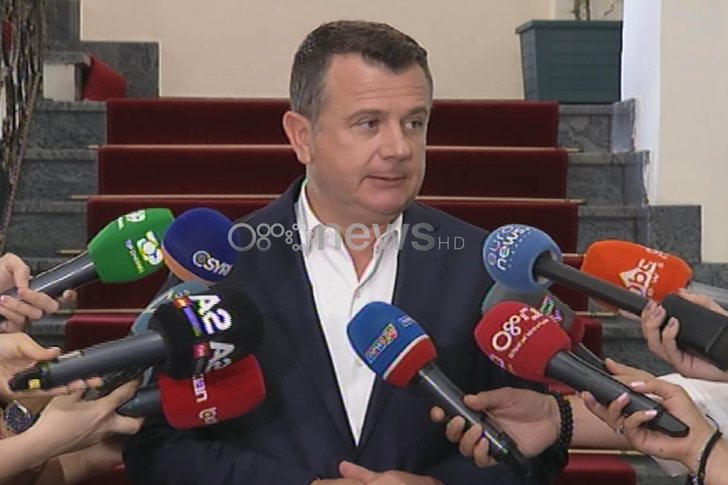
Opposition representatives in the Political Council,Oerd Bylykbashi and Petrit Vasili, accused the SP of seeking unilateral changesto the electoral code.
Bylykbashi: The opposition has stood by the January 14 commitments point by point. Today the SP again refused to address the OSCE-ODIHR, the SP representative boycotted the council meeting. We will continue this task to implement international standards inside and outside the Council, we expect the reflection of the SP.
Vasili went further, when he said that Gjiknuri says hewill wait and sew the election code as it will go better and in the interest ofthe SP.
Vasili: We put the draft on the table, Gjiknuri's position was negative. He said that only the questions I ask can go to the OSCE-ODIHR. The SP will undermine and destroy the Political Council. Terrified by the reality of losing the elections, they say that the political council is a consultative body. Gjiknuri made it clear that political parties make the election law according to their interests.
But Bylykbashi warned that the Council would be neitherthe facade nor the notary seal of the majority for its interests.
Asked if they would recognize the new election law ifpassed unilaterally, Bylykbashi said:
Bylykbashi: We are only 6 months from the date of the elections, the majority wants to change the mechanism by which parties receive votes and their votes are translated into mandates. The Venice Commission and the ODIHR have a red line these essential elements do not change if a year has passed, the law would be outside international standards. The aim of the Council is to reach a consensus to guarantee international election standards. If there is no consensus, the mechanism is to turn to the OSCE-ODIHR. The opposition has for the existing draft electoral code regarding the pre-election coalitions.