Gjiknuri Does Not Give His Signature To The Opposition: At ODIHR We Get Opinion On Drafts, Not Theoretical Disagreements
Nga OraNews Përditësimi i fundit 22 Shtator 2020, 13:43
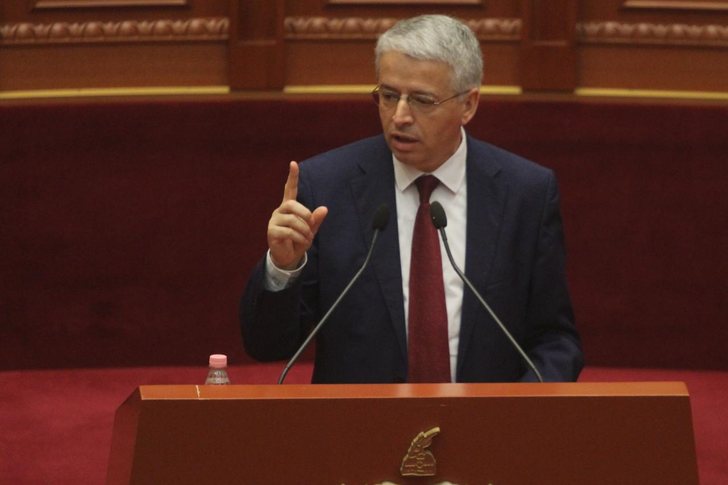
The representative of the Socialist Party in thePolitical Council, Damian Gjiknuri, refuses to give his signature to theextra-parliamentary opposition to turn to the ODIHR for expertise regarding thepre-election coalitions.
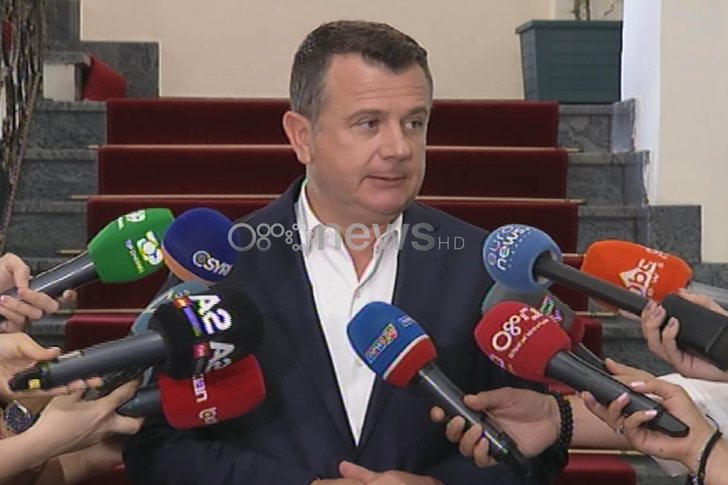
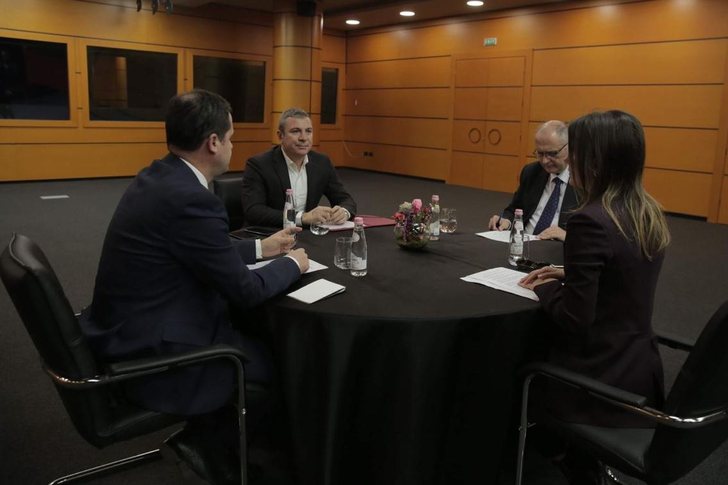
Ora News has clarified Gjiknuri's position at thecouncil meeting right after receiving the opposition letter to the ODIHR.
"I can not sign unilateral letters. Your letter is a continuation of political rhetoric. You have not brought any concrete draft proposal. You are not bringing a draft, you have not reflected" Gjiknuri have said, adding that the ODIHR will be addressed only with a concrete product.
“I look forward to your concrete proposals for amendments. At the ODIHR we get opinions on draft disputes, not theoretical disagreements. Under the January 14 agreement, the ODIHR is required to provide an opinion on election administration issues. The ODIHR is seeking an opinion on concrete drafts," Gjiknuri added.
In the letter they have already submitted to thePolitical Council, the opposition members asked 5 questions to the OSCE / ODIHRasking for their opinion on the Socialists' proposal to change the electionrules regarding the pre-election coalitions.
1. Are the applicable provisions of the Electoral Coderelated to the mechanism of electoral coalitions and the respective formula forthe allocation of mandates in accordance with international standards?
2. Do the mechanisms in force for electoral coalitionsand the relevant formulas for the allocation of mandates prevent theintroduction of open lists? If open lists are approved while the existingcoalition mechanism and mandate formula remain in place, would Albanianlegislation be in line with OSCE commitments?
3. Can the basic rules of the election competition bechanged by a party, once the election process has started, and only 6 monthsbefore the election date? How important is the stability of the electorallegislation and the knowledge of the law by the electoral contestants beforethe elections, about the quality and credibility of the elections?
4. If the rules are changed unilaterally and very closeto the elections in order to give preference to the party that proposed thechanges, do these changes undermine or affect the principles of stability oflaw, legal certainty and rules of the game, which are key to maintain OSCEcommitments for democratic elections?
5. Given the opposing positions of the parties, whatwould be a mutually acceptable solution in line with OSCE commitments and otherEuropean standards for democratic elections?